


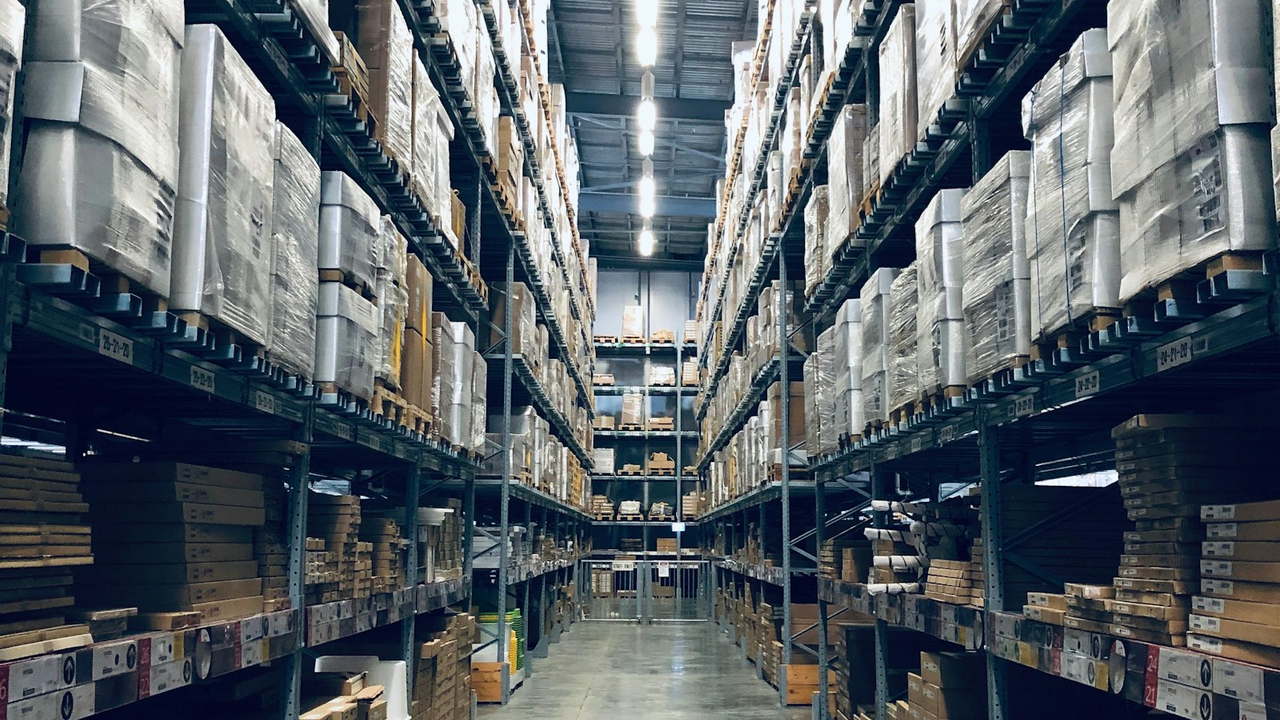
Illustrative scene. Blur carton brands before publishing; the seal digits shown are not a real shipment record.
A container takes hours to load and seconds to seal. After the bolt goes on, your packing list, a few photos and a number on a metal tag are the record of what left China.
PSI answers whether the sampled units meet spec. Loading answers what crossed the door, in what condition, under which seal. QIS runs them separately, and container loading supervision sits at the handover.
What PSI proves, and where it stops
A pre-shipment inspection checks finished goods on an AQL sample: workmanship, labels, packaging, lot quantity. If the lot passes, the factory closes the cartons and waits for the forwarder.
Then the cartons move — stacked, shifted, consolidated, left overnight. One that passed can miss the container, and another SKU can take its place while the packing list still shows the right number.
| Question | PSI | Loading supervision |
|---|---|---|
| Units meet spec? | AQL sample | Only with PSI |
| Labels and packaging | Sampled units | Visible labels at the door |
| Carton count | Lot quantity | Counted carton by carton |
| Container and seal number | Out of scope | Recorded |
| Container condition | Out of scope | Checked empty |
AQL sampling tables and calculator cover that sample; loading supervision covers identity, count, condition and custody, which only shows up at the door.
Check the container before the first carton goes in
See the container empty, doors open. Match the number to the booking, walk the floor for water, oil, powder or stains, and look for daylight through walls and roof. Doors should close cleanly with gaskets intact. Paint, diesel or fish meal can taint packaging; nails and broken pallet pieces come out first. Where the factory has a weighbridge, check loaded weight against the VGM filed for that container. If it smells like the previous shipment, ask for another container — cheaper now than at the port.
Count at the door
The count has to happen at the door, carton by carton, as cargo crosses the threshold. Counted off the warehouse stack, it is the wrong number in the wrong place: the supervisor writes 600, the loading team puts in 597, and nobody notices until the destination warehouse receives it.
Illustrative carton-label check. Blur brands, phone numbers, QR codes and addresses.
For pallets, count pallets and cartons per pallet, then spot-check layers; for mixed SKUs, tally by SKU. Before the doors close, the packing list, the commercial invoice and the counted load should agree. If they do not, stop and recount. A short count found at the factory is a warehouse conversation; found at destination, it is a claim.
Carton closures and container seals
"Seal" means two things at loading. Each carton has a closure — tape, straps, or both — and the container has a security seal. They fail differently.
Tape should run across the centre seam and down the sides; one strip on top lifts easily. Cut straps usually mean the carton was opened. A re-taped carton can look normal in a photo, so flag any re-tape with no note against it. Carton labels and box IDs should match the shipment, and FNSKU labels need to read cleanly at the door. The Amazon FBA inspection in China page covers that label chain.
A carton opened for PSI and closed again by the factory is normal. The risk is one opened after inspection, swapped, then re-taped to look untouched. Inspection tape or a photo taken at inspection gives the loading inspector something to match.
The seal record is a chain-of-custody document
The seal is a one-time lock; once applied, it should not open until destination. Capture on the loading sheet:
- Container and seal number, legible in the same door photo
- Seal type, and any high-security requirement
- Who applied it, plus time and date
- Final carton and pallet count, with exceptions
- Photos: empty container, mid-load, full load, doors closed, seal
A seal on a table proves little. The number normally appears on the bill of lading and the loading report; check that it does. If a seal is cut or replaced in transit, the carrier should note it and issue a new record. A replacement with no written note is a red flag.
What the seal does not cover
A sealed container can still be short. The seal proves the doors stayed closed; the count inside is a separate question. Many FBA shipments also pass a 3PL before Amazon, and that handover needs its own count.
Loading day, start to seal
Book loading supervision after PSI, before the forwarder picks up. Send the packing list, invoice, label file and seal instruction in advance — not at the door — and confirm the loading window: a 2 a.m. pickup with nobody independent on site is a common way to lose the count. Photograph the empty container before the first carton moves. Count at the door, watch stacking and dunnage, then seal, record the number, take the door photo and lock the count. Send the report the same day, while the factory can still fix a short count.
When the extra booking is worth it
If nobody independent watches a direct FBA load, the first real count often happens at the destination warehouse, after the factory has been paid. The check earns its keep on multi-SKU orders, factories new to Amazon loading, night pickups and suppliers already disputed on quantity. A small single-SKU run with a forwarder who counts at receipt may cover the ground.
FAQ
Is loading supervision the same as PSI? No. PSI checks quality on a sample of finished goods. Loading supervision checks carton count, container condition and the seal record at dispatch.
Can the inspector stop the shipment? The inspector reports findings right away. The buyer decides whether to hold, rework or ship.
What about LCL? LCL rides with other shippers, so the seal is not yours alone. A check at the consolidation warehouse still records count and condition; ask the forwarder what the seal covers.
Booking the check
QIS loading supervision covers carton count, container condition, loading photos and the seal record, listed from $199; confirm scope and quote for your factory at booking. For both checks on one shipment, book pre-shipment inspection in China first, then add loading supervision for the dispatch window. Book a loading check or browse China inspection services.
—